Why Cornwall works for a carriage stay
- ✦Tourism is worth roughly £2 billion a year to Cornwall — about 15% of the county's economy (Cornwall Opportunities).
- ✦The South West Coast Path, the Eden Project near St Austell, and honeypots like St Ives, Padstow and Newquay drive year-round leisure demand.
- ✦Railholiday's two decades and its awards (Cornwall Tourism 'Winner of Winners' 2018; VisitEngland Sustainable Gold 2016) are living proof that a well-run Cornish carriage let performs.
Carriages already earning here
Real, operating carriage stays in Cornwall — proof the market exists. We're not affiliated with these; they're shown as live examples.
Planning & the rules in England
England judges 'material change of use' case by case, with no single statutory definition — so siting a carriage for letting will usually need planning permission and building-regs sign-off, and you should assume so. Cornwall doubled its council-tax premium on second homes to an additional 100% from April 2025 (cornwall.gov.uk), though genuine self-catering that is available at least 140 nights and let at least 70 can move to business rates instead. Local feeling runs strong: St Ives's Neighbourhood Plan 'principal residence' policy — upheld in the High Court in 2016 — restricts new-builds to main homes. Engage the planning authority early.
Where the carriages come from
Railholiday's own histories show how it works: its Old Luggage Van was found in a Liskeard builder's yard in 1996, and Harvey (a 1957 BR Mark 1) began restoration at the Bodmin & Wenford Railway — Cornwall's standard-gauge heritage line and the natural regional locus for stock. There is no public listing; acquisition is by enquiry.
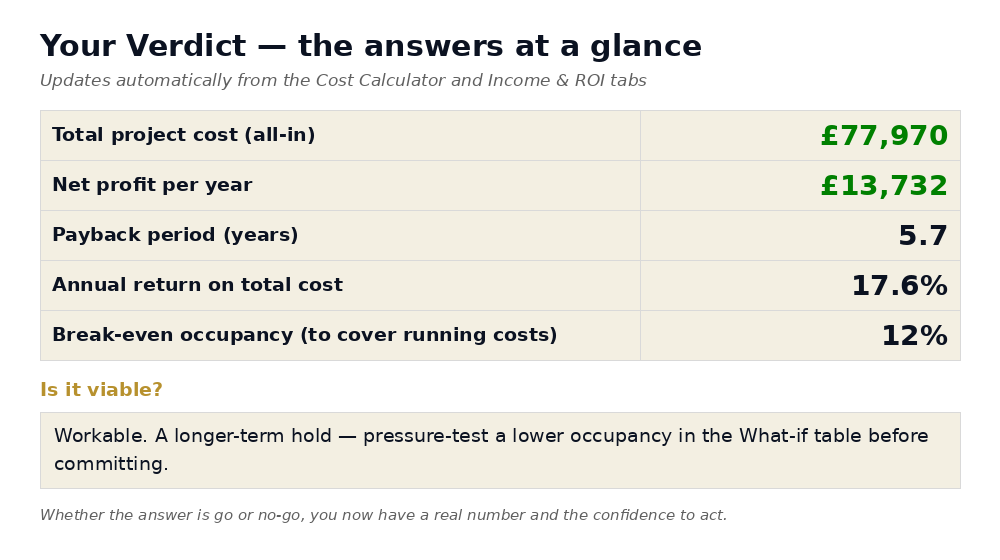
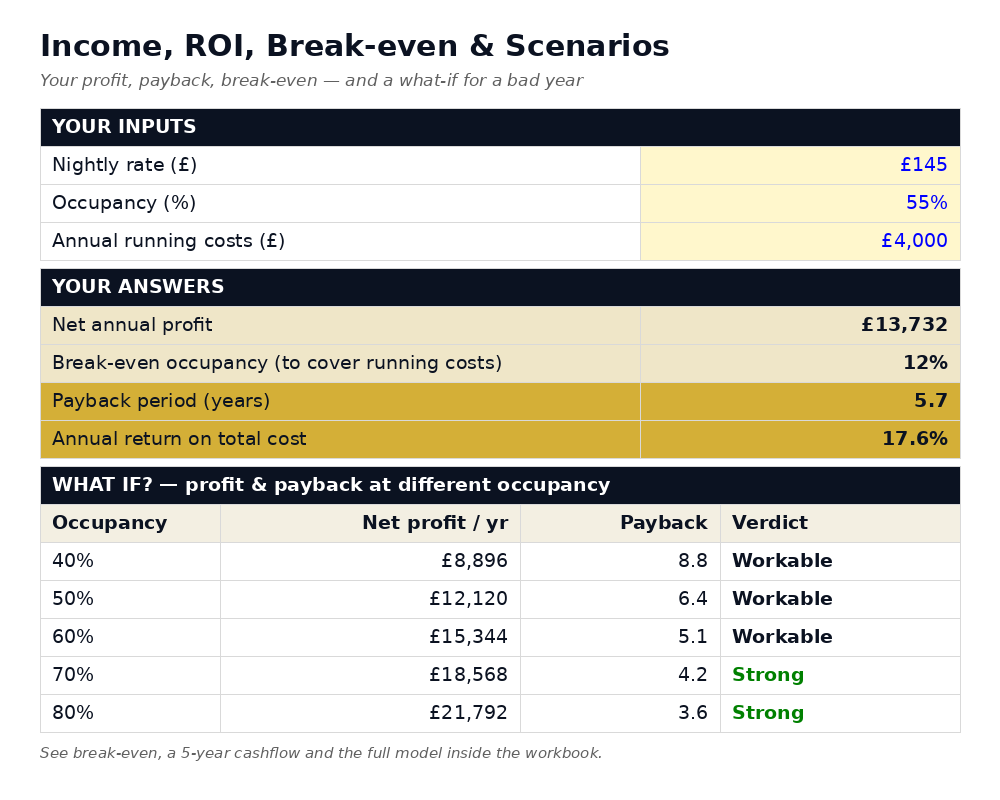
On the numbers: No reliable current nightly-rate or occupancy figure for Cornish carriage lets is publicly published — check Railholiday's live pricing and model conservatively in the workbook.